
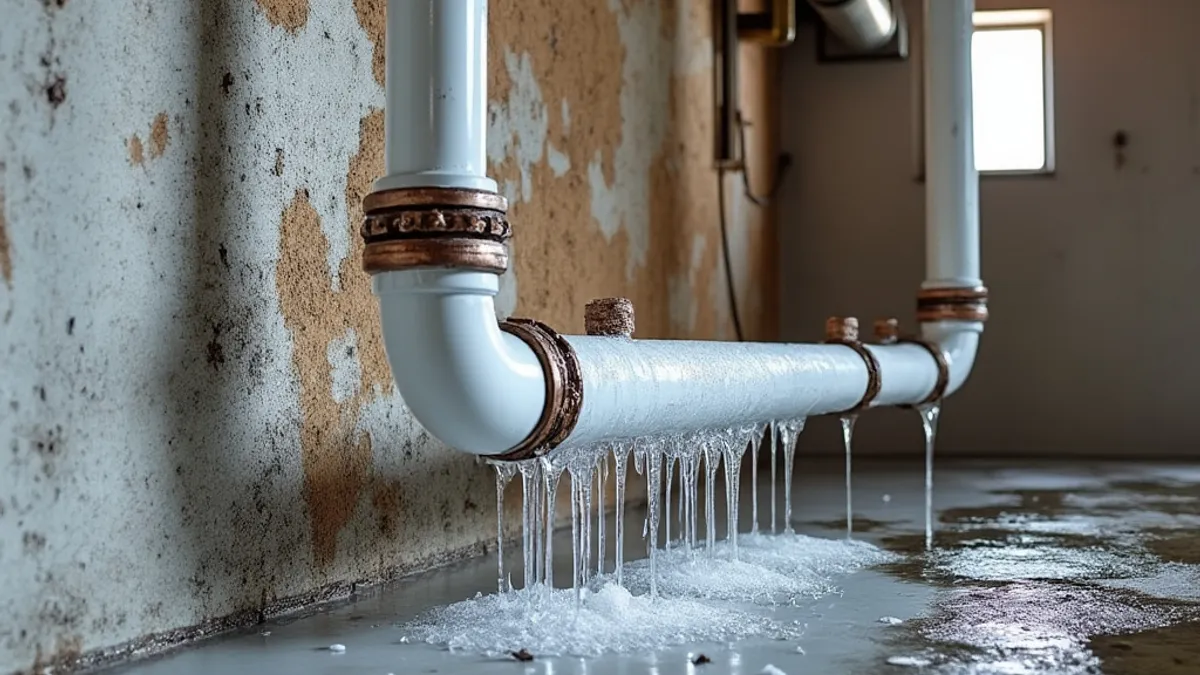
Clean water
Water from a sanitary source — a broken supply line, a water heater, a tub left running. ANSI/IICRC S500 notes it does not stay Category 1 forever: time, temperature and contact with building materials can push it into Category 2 or 3.
Serving all of Reisterstown · Open 24/7 · (410) 873-8000
In Reisterstown, where many homes boast full finished basements, a burst supply line or failed sump pump can rapidly transform a cozy space into a waterlogged challenge. With older homes sprinkled through neighborhoods like Finksburg and Glyndon, aging infrastructure means a simple freeze-thaw cycle can wreak havoc. Calling United Water Restoration Group of Reisterstown at (410) 873-8000 means getting immediate expert help to stem the tide. Our team arrives quickly, ready to tackle anything from standing water to moisture mapping, ensuring your home begins the journey back to dry, liveable space as soon as possible. We're here to guide you with knowledge, experience, and compassion.
When facing water damage, a swift and thorough assessment is critical. In Reisterstown homes, especially those with full basements, the scope of water intrusion often means addressing everything from soaked carpets to water wicking up walls. Our technicians use tools like moisture meters and thermal imaging inspections to identify hidden moisture pockets, ensuring no detail is overlooked.
Given the challenge of older homes in areas from Glyndon to Hampstead, understanding the path water takes is crucial for effective restoration. This expertise is critical in developing a comprehensive and timely restoration plan. By accurately determining the class of water loss, whether from a Category 1 clean source or more severe black water situations, we tailor our response to the unique needs of your property.
Effective flood damage cleanup hinges on advanced drying techniques. In areas like Owings Mills and Sparks Glencoe, properties often require extensive drying solutions due to compromised basement finishes. Our approach integrates air movers and low-grain refrigerant dehumidifiers to rapidly reduce relative humidity and prevent secondary damage like mold growth.
This process doesn't just stop at surface drying. Structural drying methods target deeper moisture, protecting critical areas such as subfloors and baseboards. By securing a proper vapor barrier and containing affected zones with containment barriers and negative air machines, we ensure a safe and controlled drying environment, reducing the risk of further issues down the line.
Flooding events can be overwhelming, not just physically but financially. Navigating insurance claims is a crucial part of the restoration process for homeowners in communities like Upperco and Sykesville. Our team offers experienced guidance through this potentially daunting task, working closely with your insurance adjuster to streamline the process.
We utilize industry-standard estimating software to deliver accurate scopes of work. This ensures your insurance provider receives detailed documentation, like daily drying logs and moisture meter readings, essential for validating your claim. Helping you recover fully and promptly is our priority, providing you peace of mind during a challenging time.
A few minutes of the right first moves can save thousands in damage. Here is what to do — and what not to do — before we arrive.
Crews are standing by in Reisterstown right now.
Call (410) 873-8000How It Works
The hardest part of property damage is facing it on your own. You do not have to — from the first phone call, it is our job, not yours.
Step 01
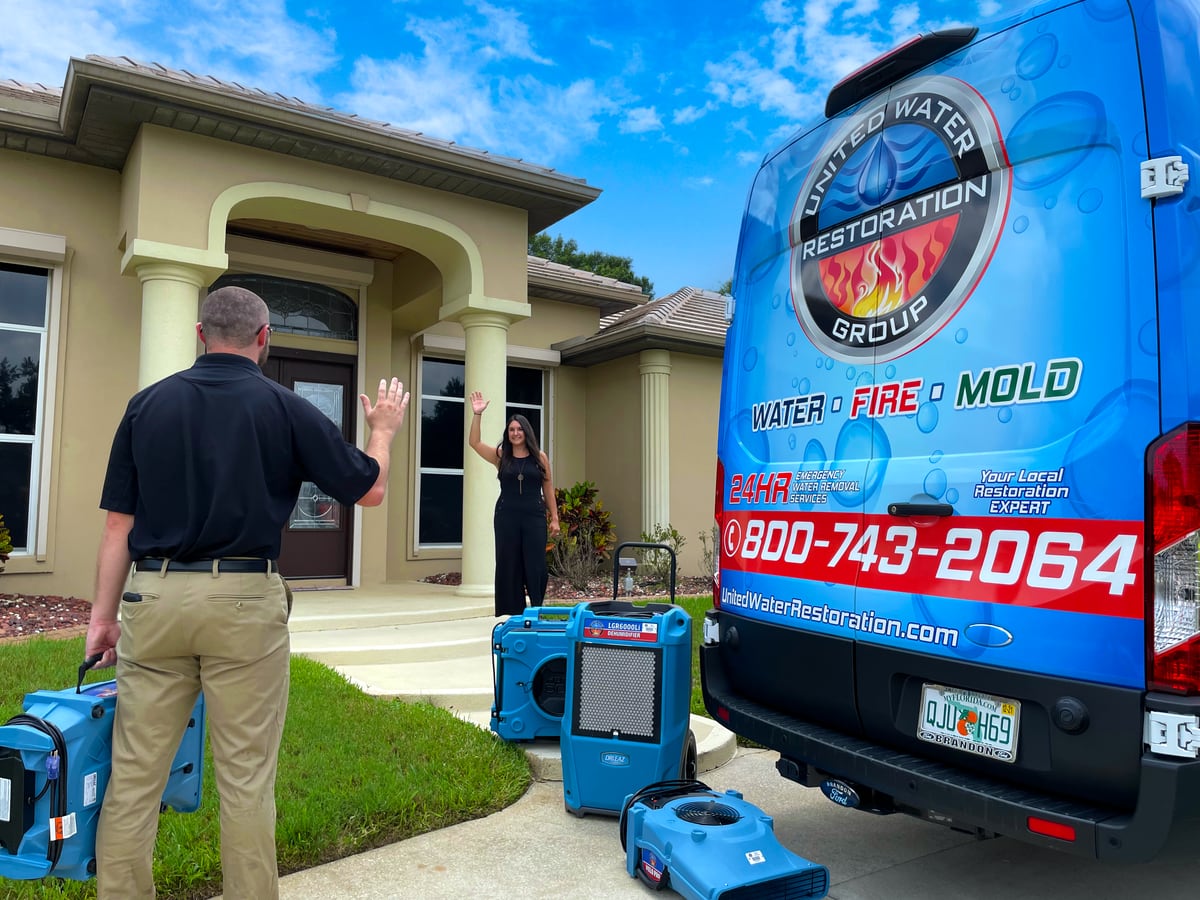
Once we receive your call, our 24/7 team quickly arrives at the location to assess the situation. Time is critical, so our immediate focus is on minimizing damage and starting the cleanup process.
Step 02
Our team uses specialized pumps and vacuums to remove standing water. Fast action prevents damage from worsening and directs efforts toward restoring normal conditions.
Step 03
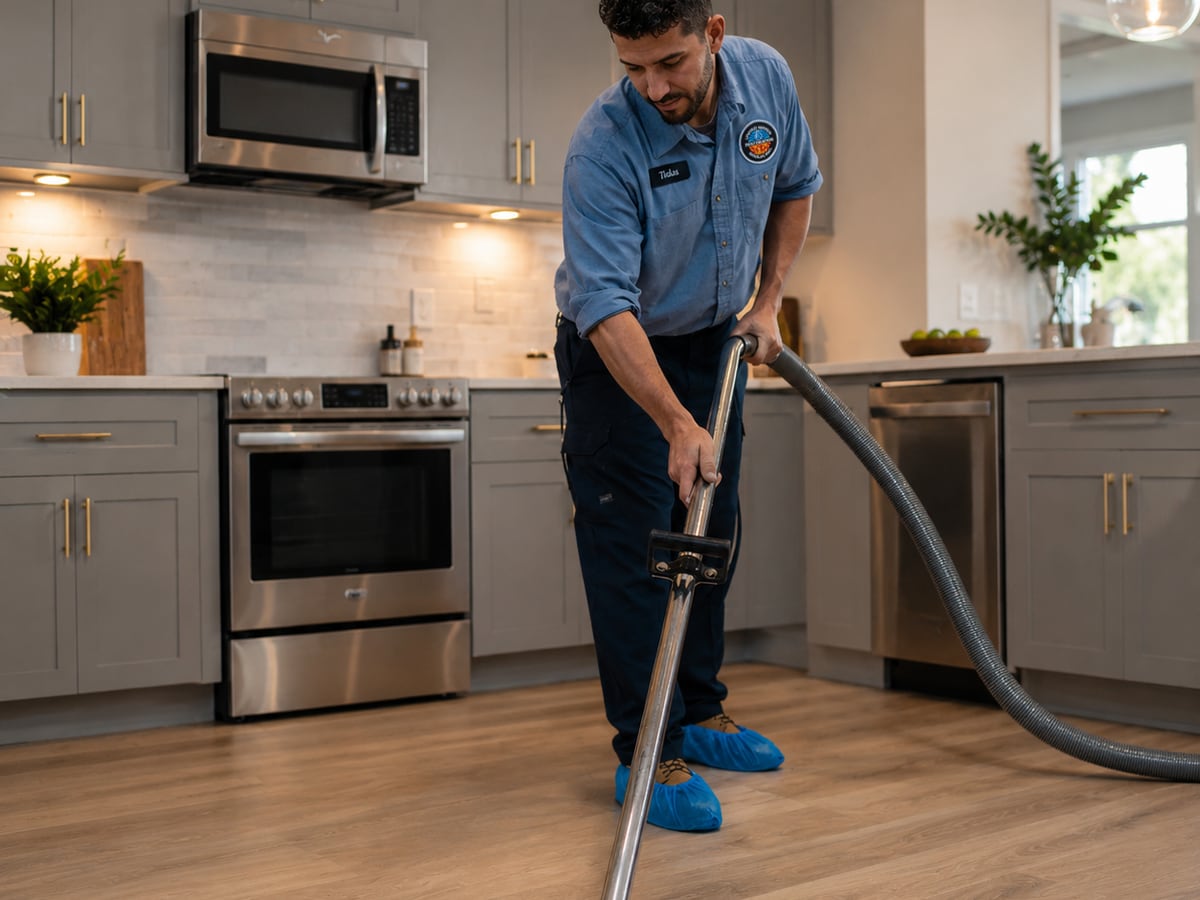
Employing advanced tools, we conduct moisture mapping and inspections to locate all affected areas. This data guides us in deploying precise drying solutions effectively.
Step 04
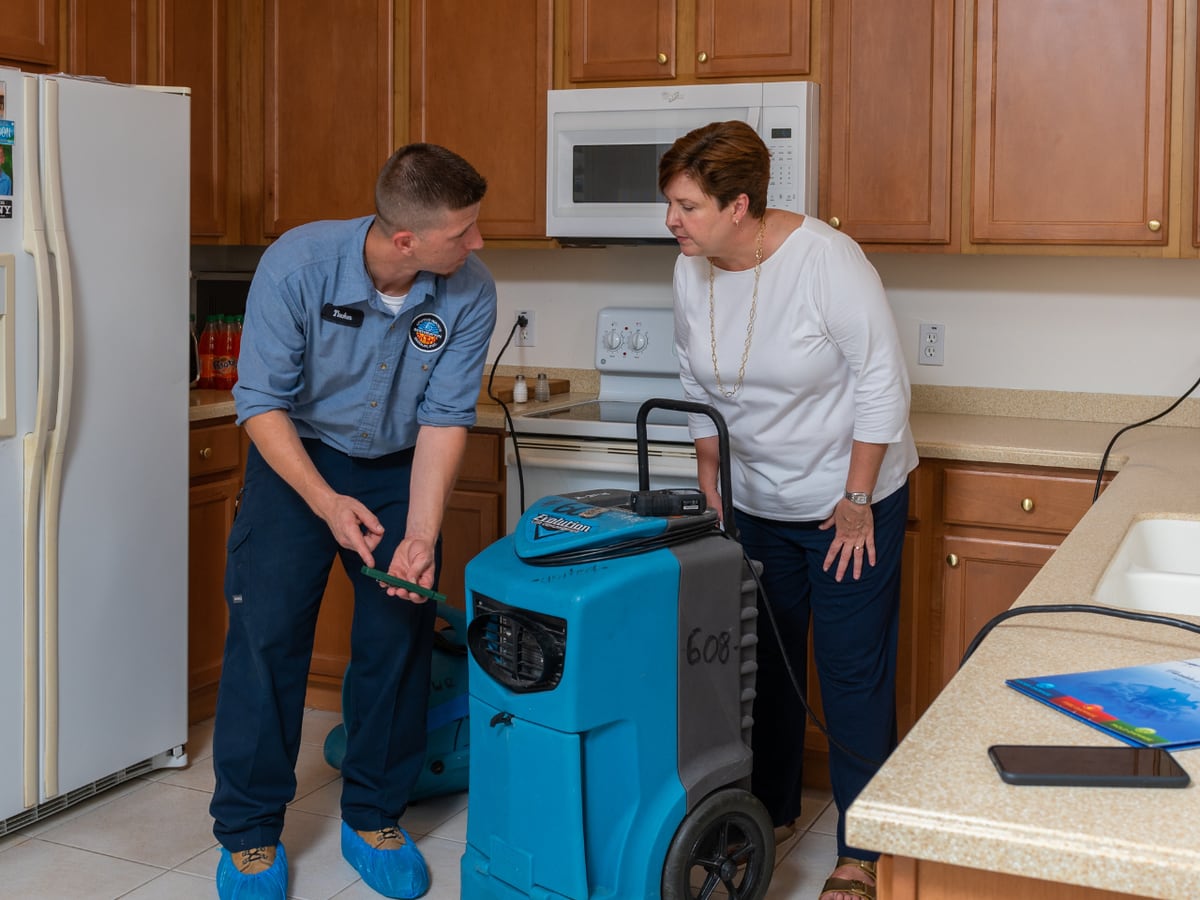
We set up air movers and dehumidifiers to thoroughly dry the area. This step reduces moisture levels and prevents mold, while containing barriers help manage airflow and humidity.
Step 05
Applying antimicrobial treatments ensures that all areas are hygienically safe. We then proceed with necessary repairs and restoration, like carpet and pad replacements, to return your space to a pre-damage state.
The restoration standard sorts water by how contaminated it is, and that classification — not how much of it there is — decides what can be dried and what has to go.
Water from a sanitary source — a broken supply line, a water heater, a tub left running. ANSI/IICRC S500 notes it does not stay Category 1 forever: time, temperature and contact with building materials can push it into Category 2 or 3.
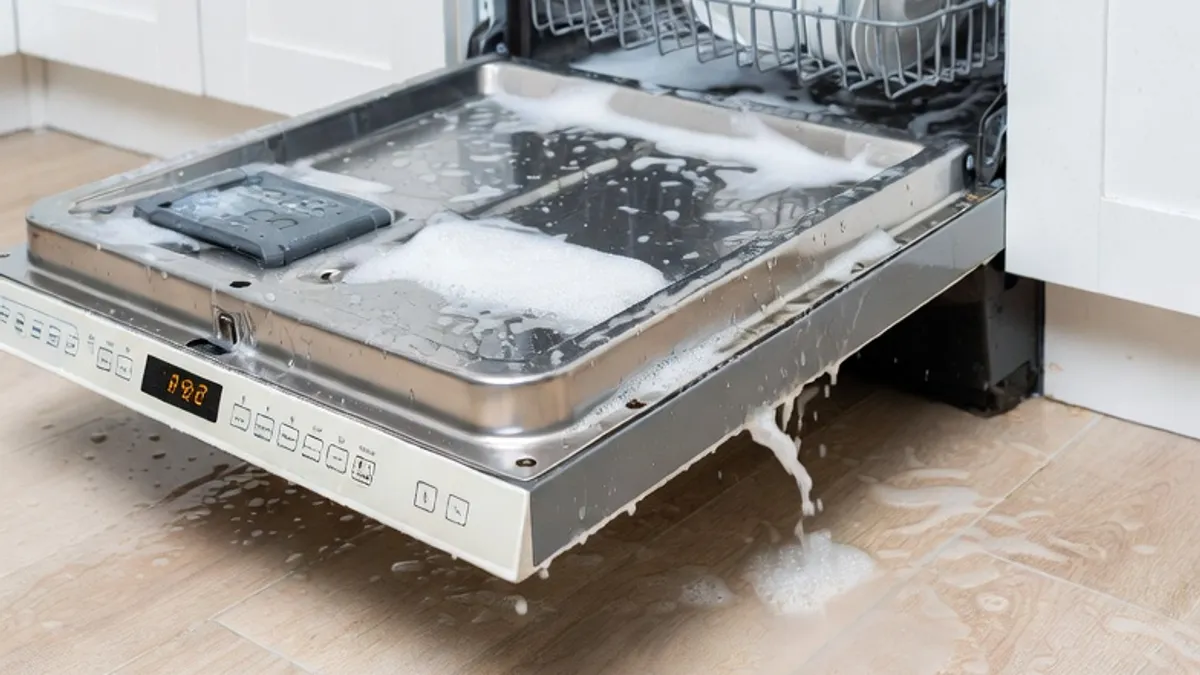
Water with significant contamination — enough that it could cause discomfort or illness if someone touched it or swallowed it. S500 puts dishwasher and washing-machine discharge, an overflow from the toilet bowl itself with urine but no feces, and seepage through a foundation under hydrostatic pressure in this group.
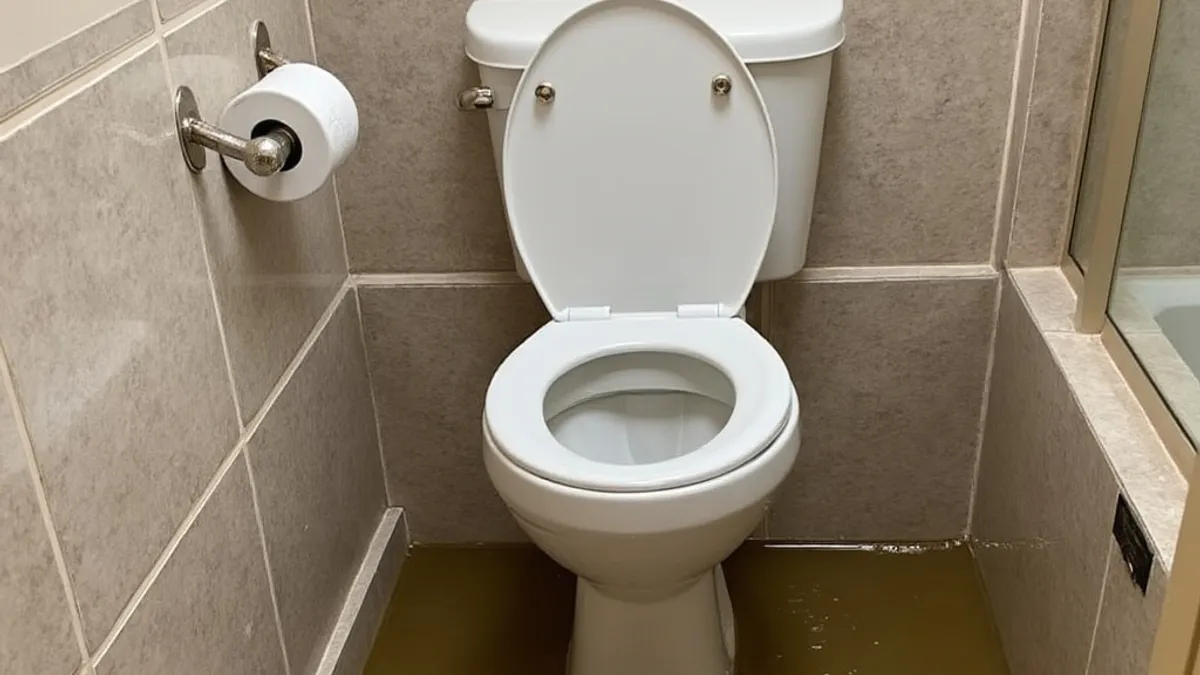
Grossly contaminated water that can carry pathogens — sewage, backups from past the toilet trap, and ground or surface water that has entered the building. S500 generally calls for porous materials that absorbed it, such as carpet cushion and insulation, to be removed rather than dried.
Classification per ANSI/IICRC S500, the industry standard for professional water damage restoration.
Water damage is not one event, it is a sequence. Each stage costs more to undo than the one before it, which is why drying starts before anything else does.
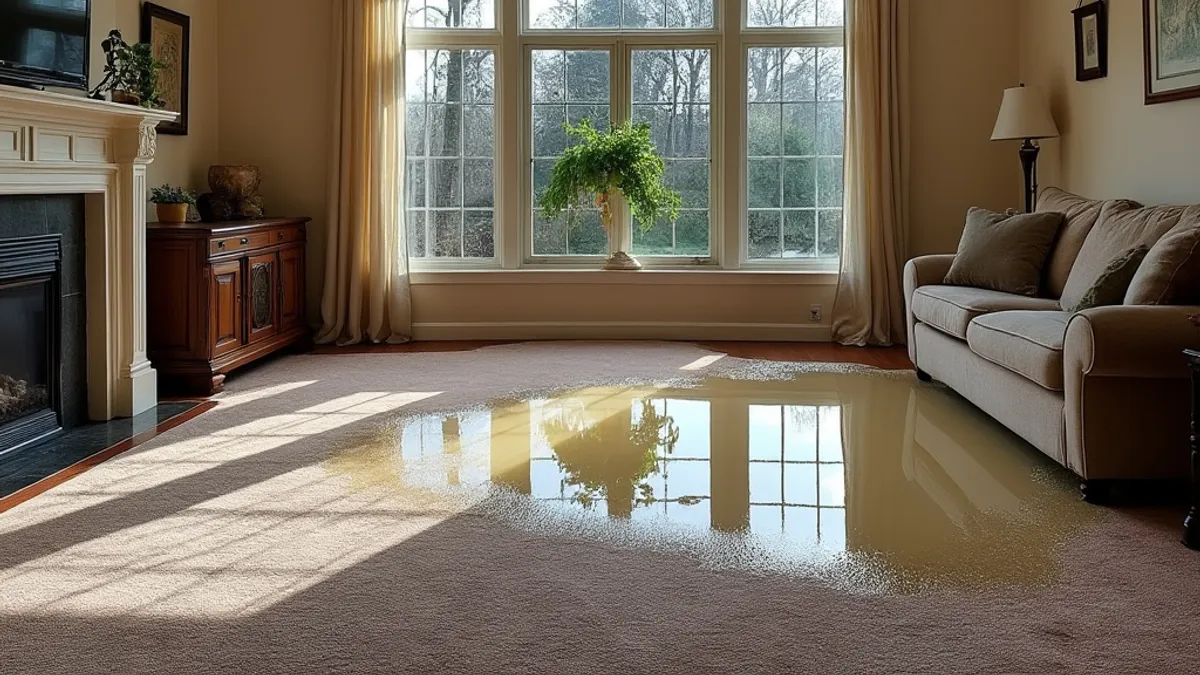
First hours
It runs along the floor and wicks upward into drywall, carpet cushion and insulation, so the wet area is already larger than the puddle you can see.
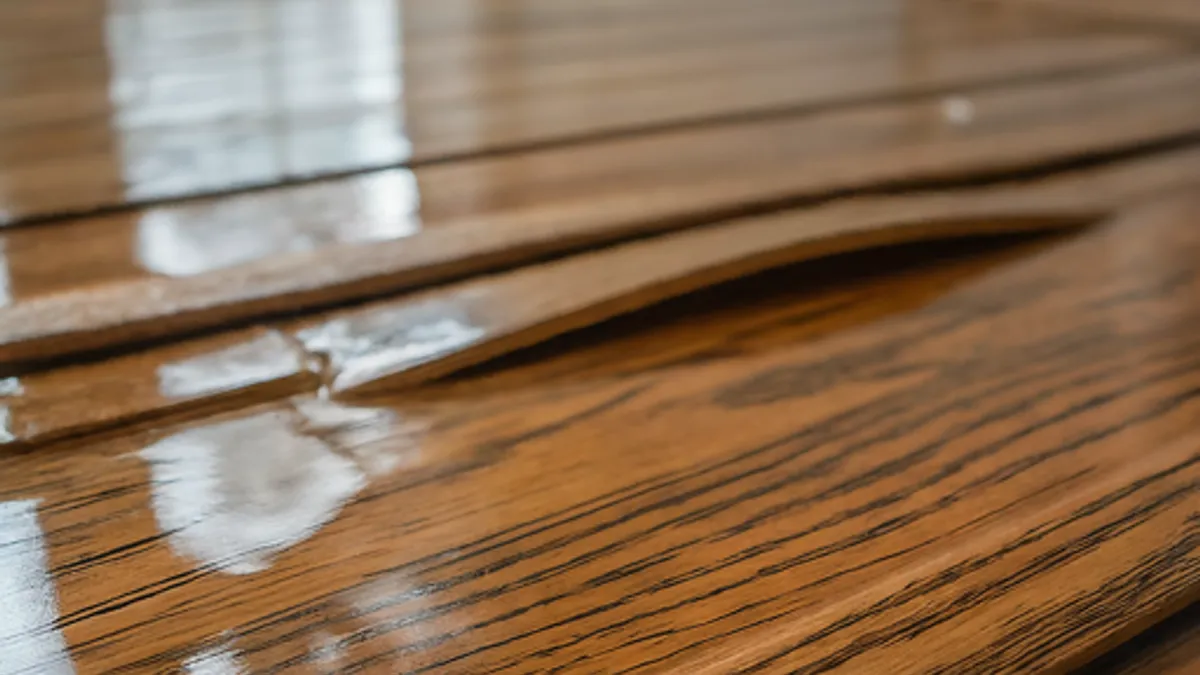
1–24 hours
Wood swells and cups, drywall softens, and anything made of pressed board or laminate begins to come apart at the seams.
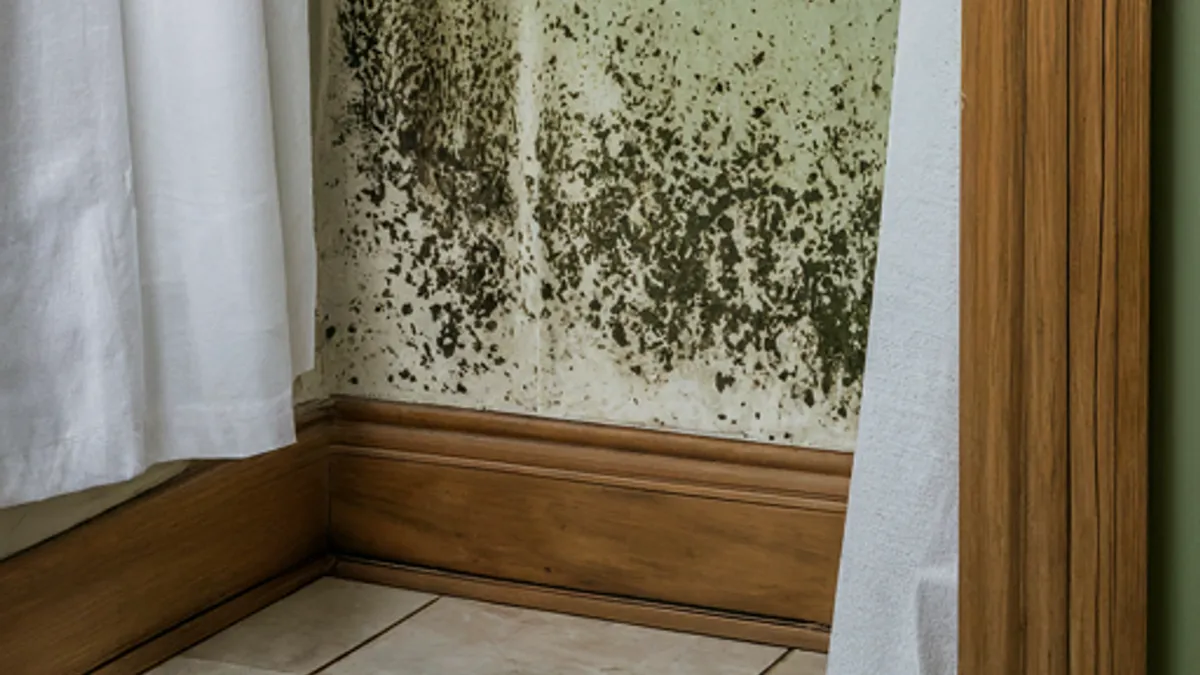
24–48 hours
EPA guidance is that wet material dried inside the first 24 to 48 hours will, in most cases, not grow mold. Past that window it can, and then the job is no longer only about water.
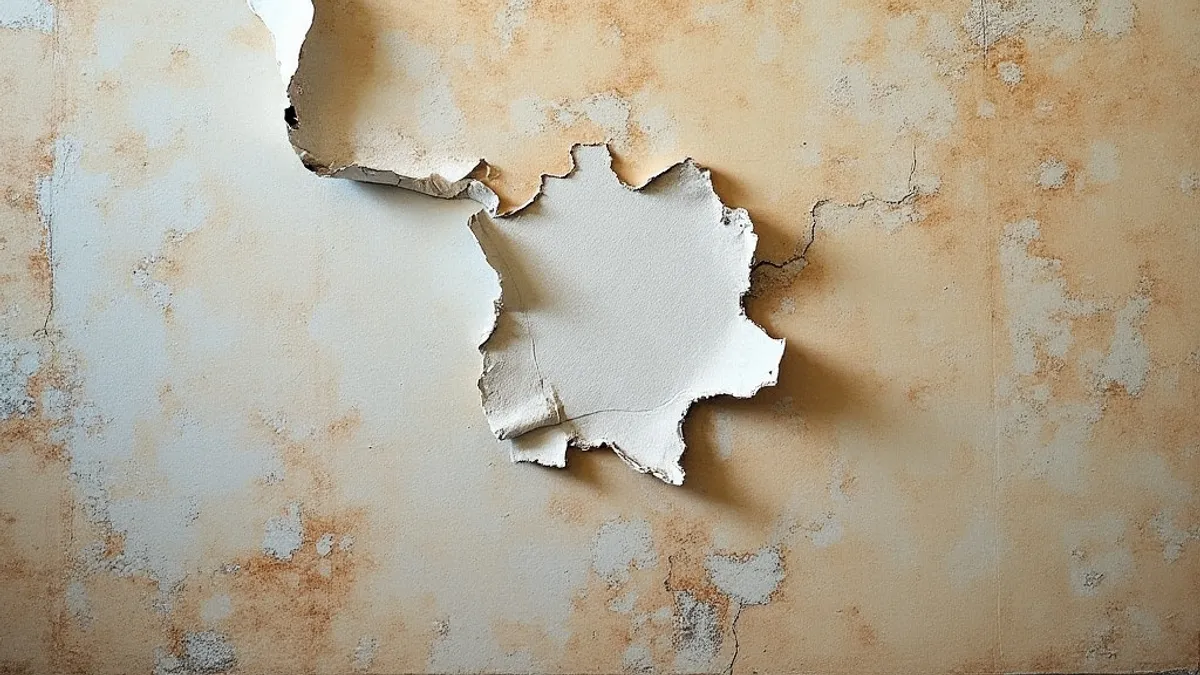
2–7 days
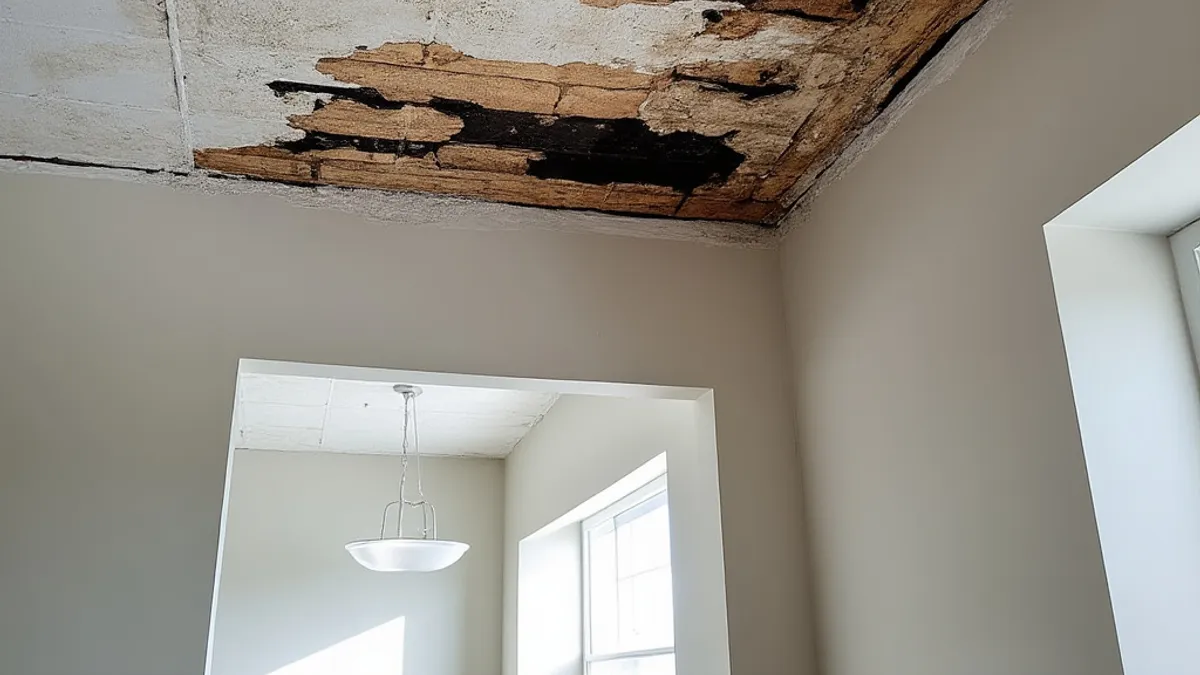
Paint and wallpaper let go, joints open up, and moisture travels through wall cavities into rooms that were never touched by the original leak.
1 week or more
Once structure and finishes have held water this long, the work shifts from drying materials out to cutting them out and putting new ones back.
Mold timing per US EPA guidance on moisture and mold. The other stages vary with the material, the temperature and how much water is involved.
Drying a structure is a measured process, not a matter of pointing fans at a wet floor. Each piece of equipment does one job in that sequence.
Vacuum systems, truck-mounted or portable, that pull standing water out of carpet, cushion and hard surfaces. S500 prioritises physically removing water first, because extraction takes out far more of it, far faster, than evaporation ever will.
Low-profile blowers aimed along a wet surface rather than at it. They peel off the thin layer of saturated air sitting on the material, which is what keeps evaporation from stalling.
Air movers move water out of materials and into the air; dehumidifiers take it back out of the room. Refrigerant units condense it on a cold coil and drain it off, desiccants pull it onto a drying medium. Evaporated water that is not removed raises humidity, and dry materials can take it back on — what S500 calls secondary damage.
Pin and pinless meters read how much water is actually inside wood, drywall and subfloor. S500 sets the finish line as a dry standard — readings taken from unaffected material of the same type in the same building — not how a room looks or feels.
Temperature and relative humidity readings taken inside the drying area, outside it, and at the dehumidifier outlet. Comparing the three shows whether the setup is genuinely pulling water out of the building or just stirring it around.
A thermal camera cannot see water — it sees temperature. Wet material usually reads cooler because evaporation cools it, so the camera narrows down where water travelled behind walls and where to put a meter next.
Sheeting seals the work area and a HEPA-filtered machine holds it under negative pressure, so dust and spores leave through the filter instead of drifting through the building. IICRC S520 treats containment and HEPA filtration as standard controls when contaminated material is disturbed.
Floor mats and structural cavity drying systems move air through wall and ceiling cavities, under flooring, and into enclosed spaces such as the void beneath cabinets. The aim is to dry an assembly in place — where the category of water or the state of the material allows it.
Equipment roles per ANSI/IICRC S500; containment guidance per IICRC S520 and EPA mold guidance.
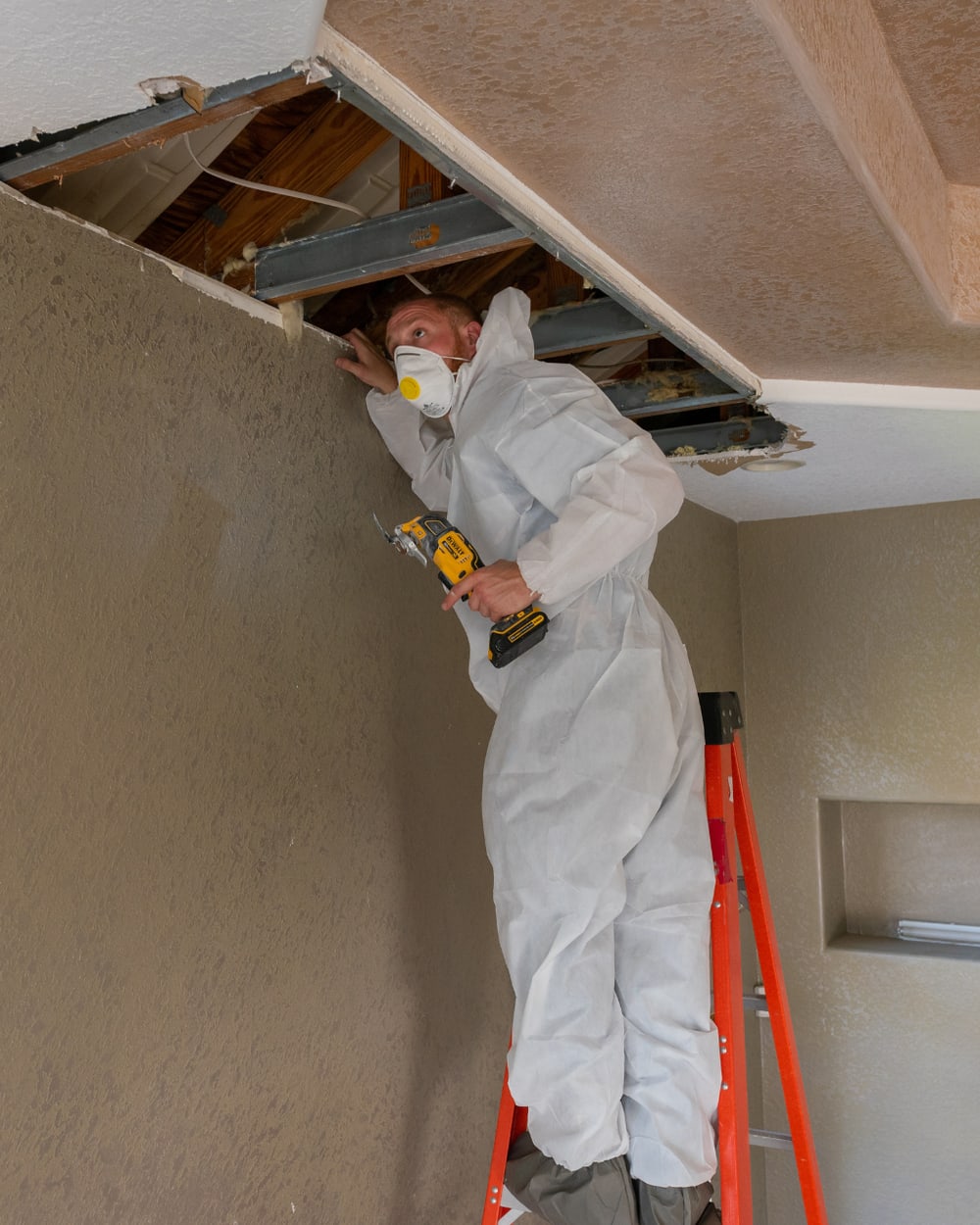
Drying in place is the goal, and it is often achievable. What decides it is the category of the water and what the material is made of — a measured judgement rather than a guess. Under ANSI/IICRC S500, porous materials that absorbed contaminated water are generally removed rather than dried, while materials wet by clean water can frequently be dried where they are.
Where an assembly has to be opened, it is opened deliberately: enough to reach wet insulation and framing, documented before anything is cut, and put back by the same company that took it out.
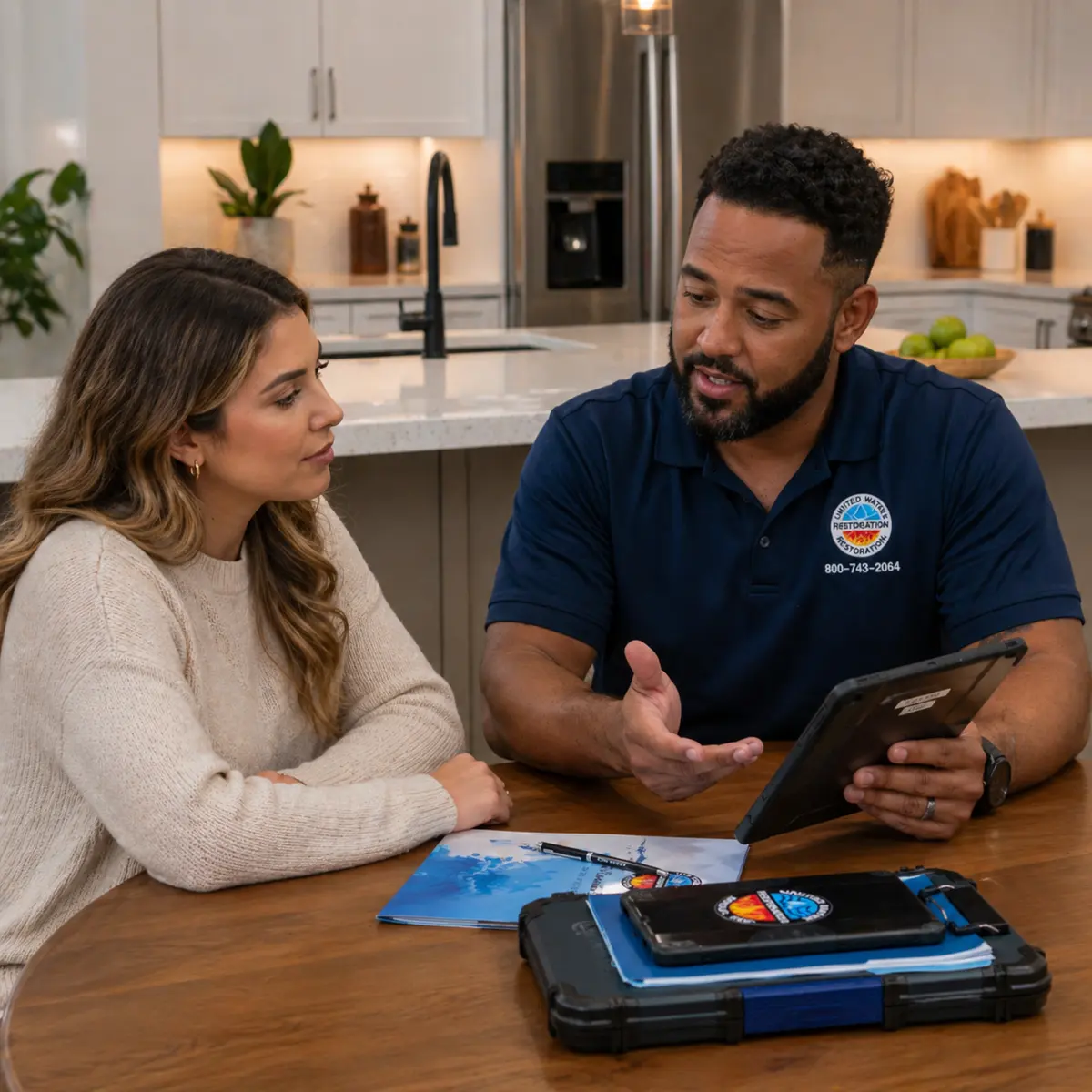
Restoration is stressful enough without fighting through a claim alone. Our crews document everything — photos, moisture readings, and a clear scope of work — in the format adjusters expect, and we communicate with your insurance company throughout the job. You always know what is happening and what your policy covers before work begins.









In case of water flooding in your Reisterstown home, prompt professional help is key to preventing secondary damage like mold growth. With specialized equipment and experienced technicians, United Water Restoration Group of Reisterstown ensures thorough and efficient flood cleanup, safeguarding both your property and peace of mind. Our team stands ready to not only restore your home but also assist with every step of the insurance claim process. Call (410) 873-8000 now to initiate quick and effective flood damage restoration.
Our crews are local and dispatch around the clock — no subcontracted call center. Call (410) 873-8000, tell us what you are seeing, and we will give you an honest arrival window for your address and talk you through what to do until the crew gets there.
In most cases yes, depending on your policy and the cause of the damage. We document everything, use the same estimating standards insurance companies use, and work directly with your adjuster so the claim goes smoothly.
Every job is different, so we start with an inspection and give you a clear written estimate before any work begins. When insurance is involved, our scope lines up with your claim — no surprise bills.
We are local to Reisterstown, certified to IICRC industry standards, available 24/7, and we handle everything from emergency cleanup through full reconstruction — one team, start to finish.
What you can see is the surface. Subfloor, wall cavities and insulation hold water long after a floor feels dry underfoot. EPA guidance is to dry water-damaged areas and materials within 24 to 48 hours, because in most cases that is what keeps mold from starting — and the only way to know a material is dry is to measure it.
By measurement, not by calendar. ANSI/IICRC S500 works from two reference points: a dry standard, which is a reasonable approximation of a material’s moisture content before the water got in, and a drying goal for the end of drying. The dry standard is commonly established by reading unaffected material of the same type in the same building, and readings are recorded as drying progresses.
Often, though not always, and it is decided by moisture readings rather than by how bad the cupping looks. Wood cups because the underside is wetter than the top, and specialty mat systems can draw that water back out through the surface. Two things usually end the conversation: water that sat long enough to delaminate an engineered plank, and contaminated water that got underneath. Sanding is the last step, never the first — a floor sanded flat before it finishes drying will crown as it dries.
Please leave it running. Drying is a continuous cycle of evaporation and dehumidification, so hours with the equipment off are hours the materials sit wet. Ask the crew to reposition or re-angle a unit if a room is impossible to sleep in, and if the running cost is the worry, raise it with your adjuster.
Usually not as a first step. EPA guidance is that sampling is generally unnecessary when mold is already visible, because the response is the same either way: fix the moisture and remove the growth. Testing earns its place in narrower situations — confirming a suspected hidden source, or documenting conditions when something is in dispute.
It can, and it is worth knowing before you file. Many homeowners policies draw a line between a sudden, accidental discharge and damage that developed gradually, and the wording varies from policy to policy. Read your own coverage and ask your adjuster directly rather than assuming it either way — and from the start, document what you found and when you found it.
Tell us what happened and we will call you right back. For emergencies, calling (410) 873-8000 is always fastest — we answer 24/7.
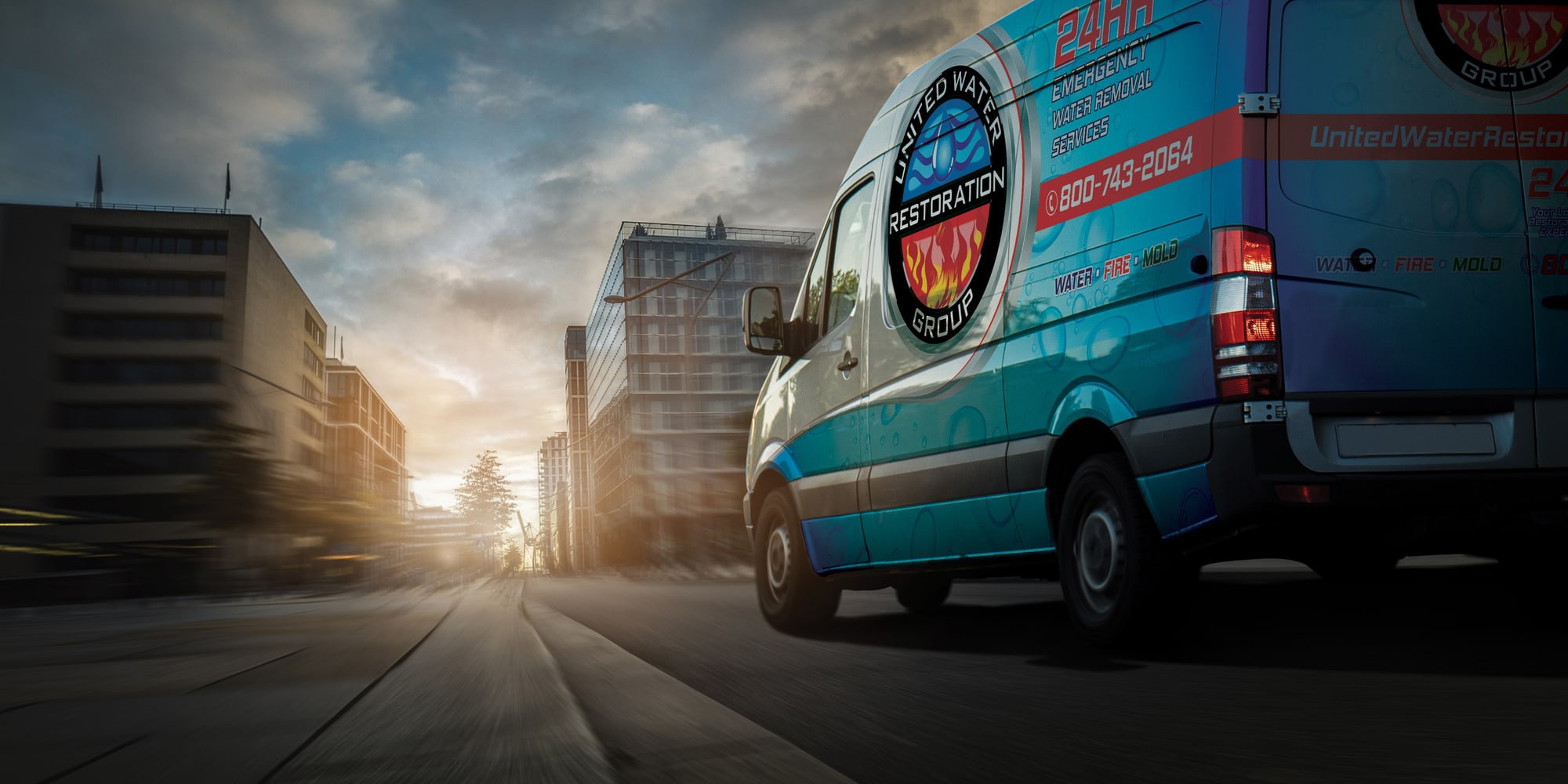
In Case of Property Damage, Call:
410-873-8000We answer around the clock and dispatch from right here in Reisterstown.
IICRC Certified · Water · Fire · Mold · 24/7 Emergency Response